Here’s an in-depth exploration of ten classic films that are particularly ripe for revival via AI-driven restoration. We’ll examine not just which films, but why they matter, where the existing prints falter, what AI can contribute, and what questions these efforts raise. Strap in—this is both celebration and caution.
Why AI Restoration Matters
Film is physically fragile. The reels, negatives, tapes, prints—they degrade, warp, crack, fade. As scholars note, “the allure of artificial intelligence in film restoration stems from the inherently vulnerable and physical nature of the medium itself.” (Pulitzer Center) AI tools today can go beyond simple cleaning: they can reconstruct missing frames, upscale resolution, correct color shifts, and even fill damaged audio gaps. (UniFab AI) But with that power come trade-offs: some critics warn of distorted faces, unnatural hair, inconsistent focus when AI guesses too much. (No Film School) So when we pick a film for “ripe for AI restoration,” it means one that (a) has historical or artistic weight, (b) whose existing version suffers technical or archival problems, and (c) where AI’s capabilities could meaningfully enhance the experience—while still honouring the original.
Here are the ten.
1. Metropolis (1927)
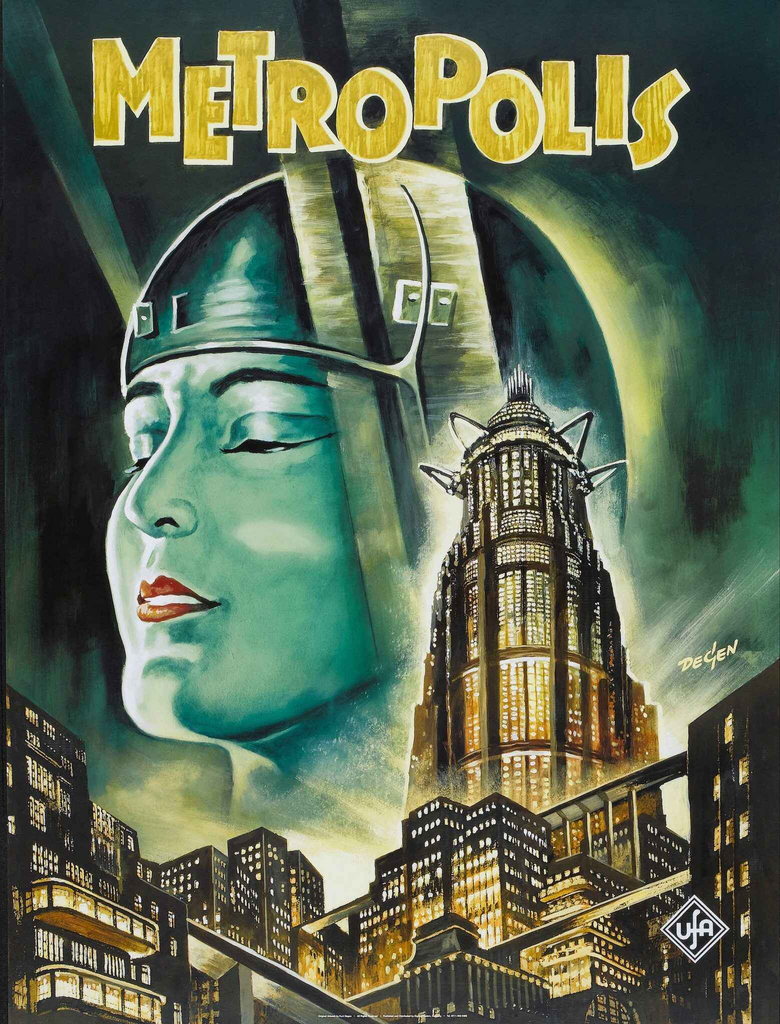
Fritz Lang’s towering sci-fi vision is already mythic—but even so, the film has suffered countless cuts, missing footage and technical deterioration. (Wikipedia) Many restoration efforts have been made, but the passage of time and material loss mean gaps remain. With AI, there is opportunity: for frame-by-frame reconstruction of lost sequences, colour correction of faded nitrate prints, and higher resolution upscaling for modern screening. The film’s importance in cinema history makes it a prime candidate, and AI could help us approach something closer to Lang’s original visual ambition.
2. The Red Shoes (1948)
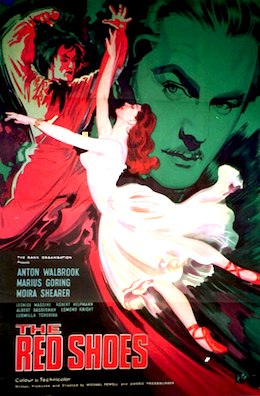
Michael Powell and Emeric Pressburger’s ballet-inflected masterpiece is visually sumptuous—but its original negatives were heavily damaged: shrinkage, mould, degradation of colour. (Wikipedia) A digital restoration has already been done, but AI could push further: cleaner, sharper frames, restored fidelity in dance sequences, maybe even recovering subtle colour shifts lost in earlier transfers. Because the film’s visual architecture is so integral to its impact, improved restoration via AI could renew its power for new audiences.
3. Pandora’s Box (1929)

Silent era, expressionist aesthetic, culturally significant yet often seen in compromised prints. (Wikipedia) The textures of early film—grain, flicker, scratches—risk being lost or mis-interpreted in naive upscaling. But advanced AI that respects the original aesthetic (rather than “cleaning everything to slick modern smoothness”) could make the film far more watchable while preserving its character. It’s a film that benefits not just from preservation, but re-presentation.
4. Lawrence of Arabia (1962)
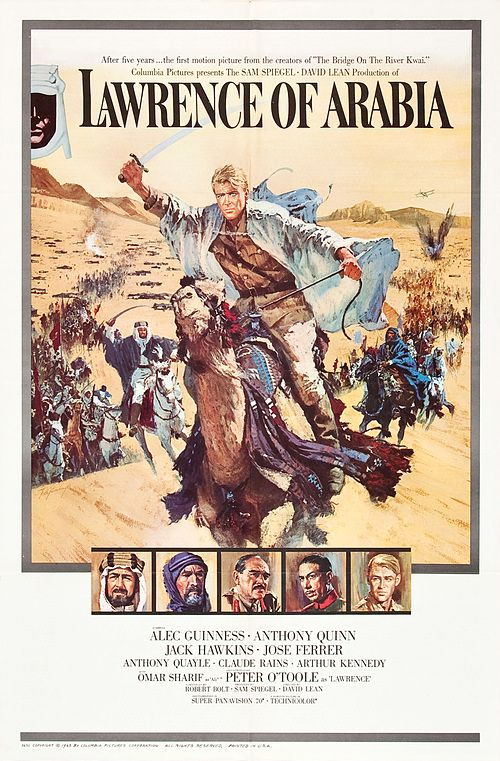
A sweeping epic by David Lean, already restored in high resolution—but even in the 8K scan done for its 50th anniversary, artefacts remained (for example ripple effects in desert footage from emulsion damage). (Wikipedia) With AI tools that target specific film-stock issues (heat ripple, dust, frame jitter), a next-gen restoration could deliver an even more pristine experience: expansive desert vistas, subtle gradations of light and shadow, the phrase “epic” reclaimed for new screens.
5. Spartacus (1960)
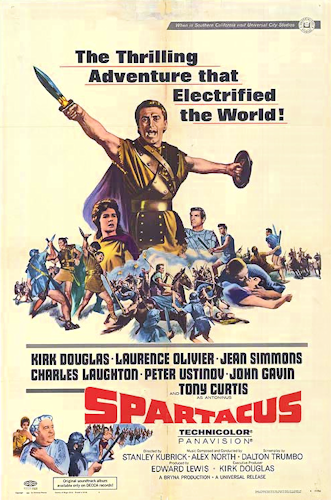
A grand Hollywood spectacle with elements of damage and loss (original negatives cut, colours fading) and past restorations (1991, 2015) that pulled things back but left space for improvement. (Wikipedia) AI might contribute by stabilizing battle-scenes, restoring missing or deteriorated footage, enhancing the sound-image sync in older audio tracks, and presenting a “clean” version for modern display systems without erasing the filmic grain that gives it texture.
6. Casablanca (1942)
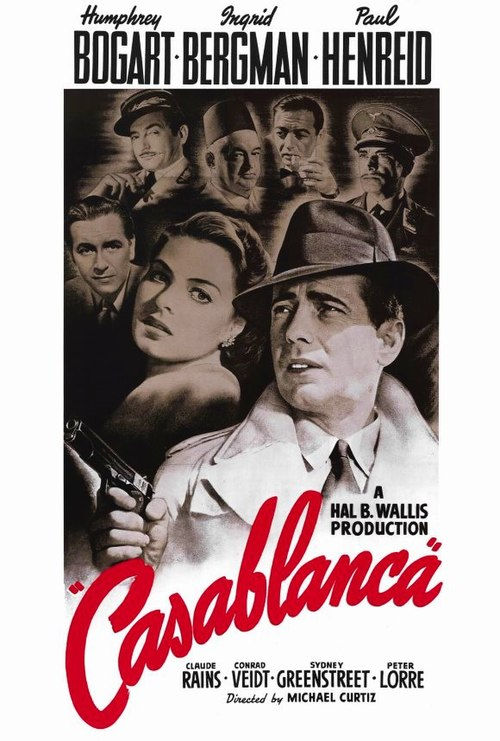
Frequently cited in discussions of AI restoration potential. One article describes using AI algorithms to enhance the visuals, audio and overall quality of Casablanca. (Vitrina AI) Although many high-quality versions exist, the film’s legendary status means any improved edition—done with sensitivity to original intent—would matter. Slight colour correction, sharper dialogue clarity, consistent film grain across scenes: all things AI could offer to a film that millions still return to.
7. Citizen Kane (1941)
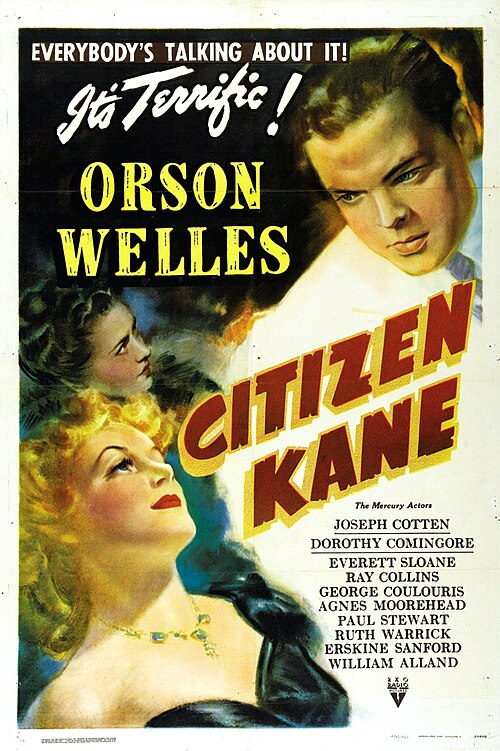
Although not listed explicitly in our prior sources, one can argue that Citizen Kane, with its archival importance and early Hollywood technical limitations, is ripe for an AI-aided restoration. The film’s visual contrasts, deep shadows, complex camera moves: these present restoration challenges. AI could help stabilize frames, remove physical damage, enhance shadow detail without losing the original look. This film’s status makes high-fidelity restoration not just desirable but culturally significant.
8. The Magnificent Ambersons (1942)
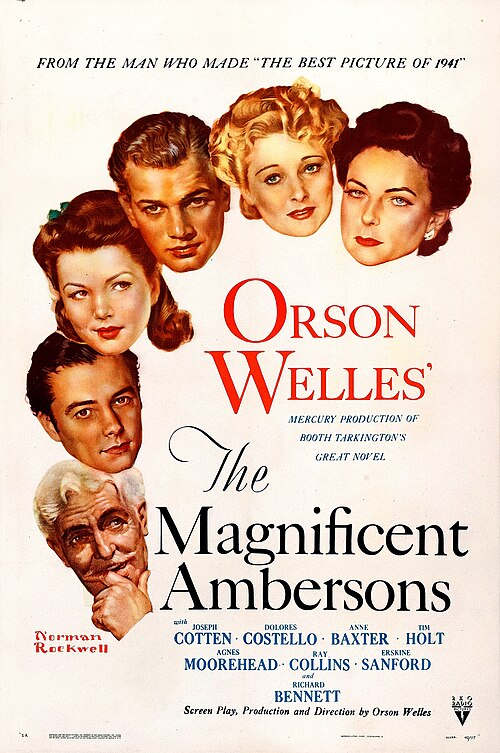
This one is a special case. Much of the original footage is missing—about 43 minutes of scenes were destroyed long ago. A recent initiative aims to use generative AI to recreate the missing footage. (EW.com) This raises huge questions: if you “restore” by creating new content via AI, is that restoration or reinterpretation? But the prospect alone makes this film ripe: the combination of archival material, missing footage, and AI’s creative capacity mean its next version could mark a paradigm shift in restoration.
9. Se7en (1995)
A more modern title, yet worthy: director David Fincher oversaw a 4K remaster that used AI to fix focus errors, match colors, and recreate lost data in scenes. (EW.com) Why include a film from the mid-90s? Because even with relatively recent films, older transfer processes and analogue cinematography present unique restoration needs. AI can refine what traditional methods left imperfect, providing an exemplar of bridging “classic” in a broader sense: design, cinematography, cultural impact.
10. Martial-Arts Classics (e.g., Fist of Fury 1972)
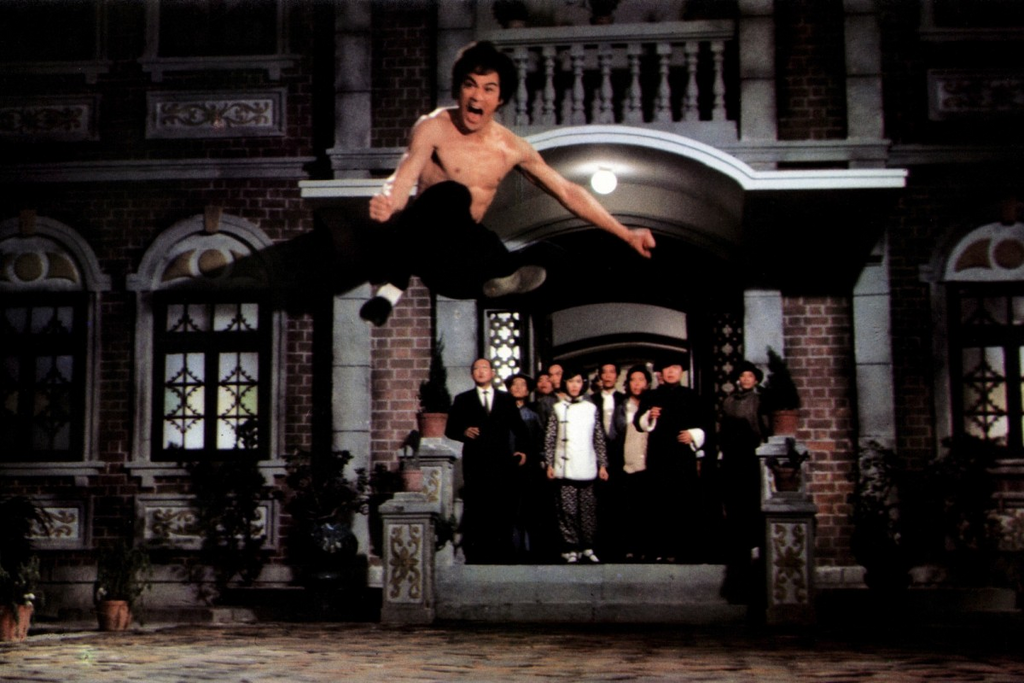
Though not a single film title here, the broader category of classic martial-arts cinema from Hong Kong/China is emerging as a major AI-restoration frontier. The China Film Foundation has initiated an AI-driven “Kung Fu Film Heritage Project” to restore films such as Fist of Fury. (San Francisco Chronicle) Why this matters: prints often exist in degraded form, multiple regional versions exist, and these films hold immense cultural weight. AI could standardize restoration across versions, enhance image and sound, and make them accessible globally—provided fidelity to original aesthetics is respected.
The Ethical and Aesthetic Balancing Act
For each film above, there is a foundational question: what does “restoration” mean when AI is involved? Is it simply cleaning up damage? Is it filling missing frames with AI-generated content? When AI “guesses” what belonged in a degraded segment, are we still preserving original artistic intent or creating a new version of the work? Critics have raised concerns that AI restorations may lead to “distorted faces, unnatural hair, and inconsistent focus” when algorithms misinterpret degraded visual information. (No Film School) Moreover, the decision of how much to “clean” is an aesthetic one: film grain, slight flicker, physical imperfections function as part of the medium’s texture. Over-smoothing via AI risks erasing that texture.
There is also the matter of authorship. If AI reconstructs missing frames—especially in films like The Magnificent Ambersons—whose vision are we restoring? The director’s? The studio’s? A hybrid of algorithmic interpolation and archival reference? These questions intensify when rights are entangled, when original negatives are lost, or when cultural heritage is at stake.
Yet the upside is powerful. AI gives us the chance to watch these films closer to how they might have looked on their first release, to bring clarity to the faintest details in shadow or sound, to preserve them for a future in which physical media may no longer exist. Archivists say it helps “propagat[e] the colour from keyframes to the whole video” and deal with “mixed degradation” in a way that traditional methods struggle with. (arXiv)
AI restoration is not a panacea; it is a powerful tool with responsibilities. The ten films above offer rich terrain where historical importance, technical challenge and cultural value intersect. If done thoughtfully, the next versions of these films could feel like rediscoveries rather than revisions. They invite us to watch again, more fully, and to ask what else might lie hidden in the celluloid shadows. And when they return, maybe we—the audience, the designers, the storytellers—are ready for the clarity, the nuance, and the revival of wonder.
Leave a Reply