It took me longer than expected to sit down and write about the Peacemaker Season 2 finale. That hesitation wasn’t because the episode was bad—it wasn’t—but because it left me in a strange emotional limbo. I wasn’t sure whether I liked it, admired it, or resented it for how it made me feel. That uncertainty, as it turns out, might be the most honest reaction to an episode that refuses to give its audience clean answers.
The finale, titled “Full Nelson,” trades the irreverent swagger of Season 1 for something heavier. Gone are the easy laughs that once cushioned the blood and chaos. What remains is a sobering sense of consequence. The humor is still there, buried beneath the tension, but this time it feels defensive—like a reflex in a room full of ghosts.
John Cena’s Peacemaker has always been a paradox, a man desperate to do good while being haunted by the violence he commits in its name. The final episode digs deep into that contradiction. When he’s forced to face the fallout of everything he’s done, the show stops being a superhero comedy and becomes a study in self-inflicted loneliness. The result isn’t triumphant; it’s haunting.
The writing itself is sharp, though uneven. Some sequences are breathtaking—especially the quiet ones where the camera lingers a few seconds longer than it should. Other moments feel hurried, as if the story is sprinting toward its next universe-building checkpoint. The show seems torn between closing Peacemaker’s personal story and opening the door to something larger, a DC world waiting just offscreen. That tension leaves the finale feeling like both an ending and a trailer.
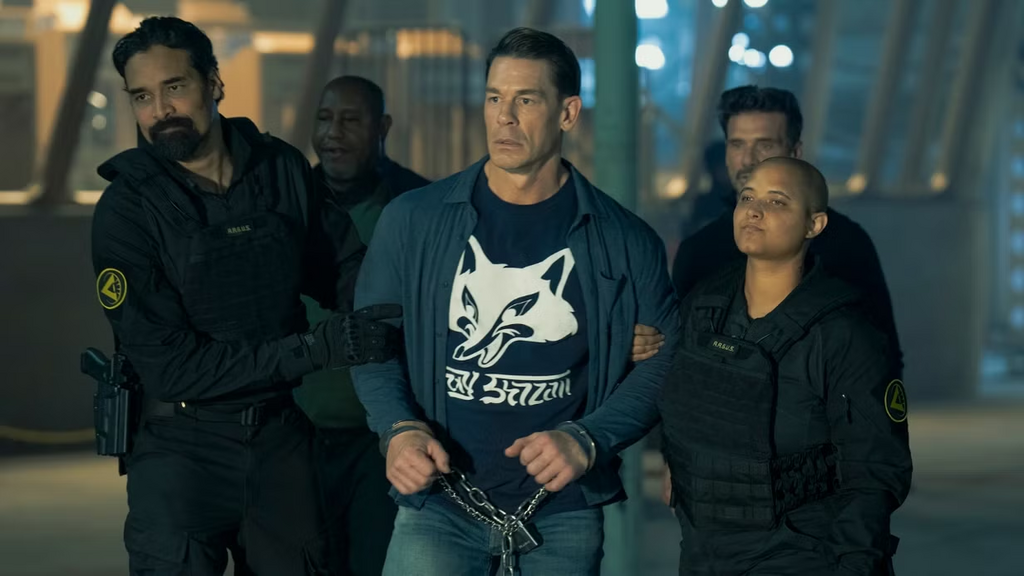
Yet even with those contradictions, there’s something admirable about its honesty. The Duffer-style precision of Season 1’s structure has been replaced with emotional messiness, and that messiness feels human. When the credits rolled, I wasn’t elated or devastated—I was unsettled. It lingered in my head, asking questions instead of giving closure.
After letting it sit for a while, I realized that the discomfort is the point. Peacemaker doesn’t get redemption through victory. He gets it through survival, through continuing to live with what he’s done. The show ends on that note of uneasy self-awareness, and so does my reaction. I wanted catharsis; I got reflection instead.
The finale might not deliver the satisfaction of a perfect bow, but it earns something rarer: sincerity. It’s flawed, bruised, and searching—just like its protagonist. And maybe that’s the most fitting ending of all.
Leave a Reply